How to build a marketing budget that actually works
Most marketing budgets are built the wrong way around.
Not because people are careless, but because the default approach is to open last year’s spreadsheet, adjust the numbers slightly, and defend the result to whoever is asking. It is normal behaviour. It is also a way of making it very hard to have an honest conversation about whether your marketing is actually contributing to growth.
After working with a range of B2B businesses, from early-stage startups to established firms, the pattern is consistent: marketing budgets tend to reflect what has always been spent, not what the business actually needs.
Here are three things that tend to change the conversation when done differently.
1. Start with what marketing needs to do, not what it cost last year
Before any numbers go on a spreadsheet, it is worth making explicit what role marketing needs to play in your commercial plan this year. Most businesses need marketing to do more than one thing :
- generate new demand,
- capture existing demand,
- retain customers,
- build credibility.
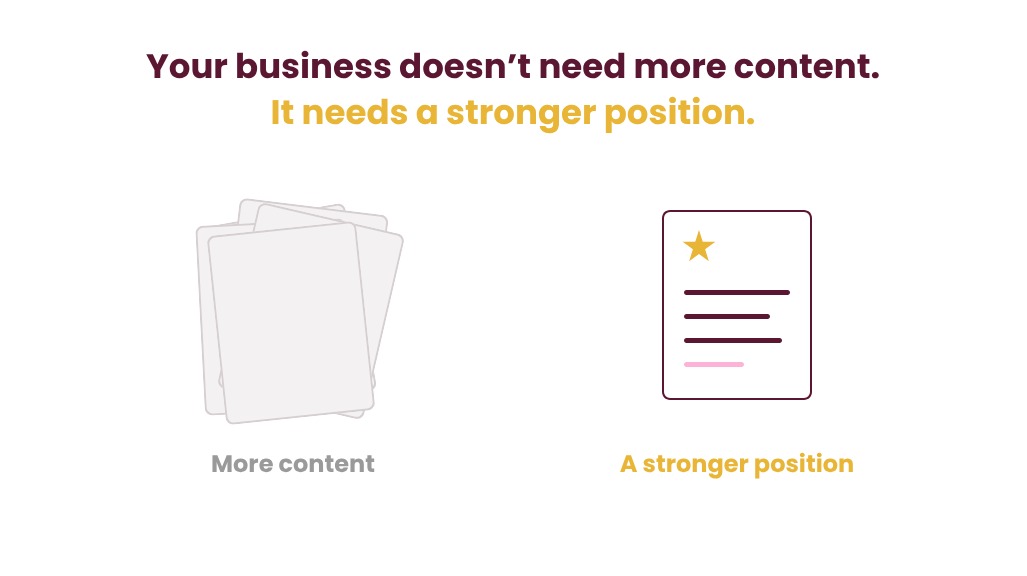
Those are different jobs with different cost and timescale profiles. The most common mistake is not making a wrong choice between them. It is not making a deliberate choice at all, which means budget spreads thinly across everything and moves the needle on nothing.
2. Separate what’s fixed from what’s actually strategic
In most growing businesses, 40 to 60% of the marketing budget is already committed before any strategic decision is made: software, retainers, team costs, pre-booked events. Presenting that clearly, as its own layer, resets the conversation from how much are you spending? to here’s what we’re committed to, now let’s talk about what we do with the rest.
That shift alone tends to make budget conversations significantly more productive.
3. Reserve room to learn
If every pound in the budget is pre-assigned to business as usual, there is no capacity to discover what the next growth driver might be. A small but ring-fenced experiment budget, even 10% of discretionary spend, is not a nice-to-have. It is how you stay ahead of a market that does not stand still.
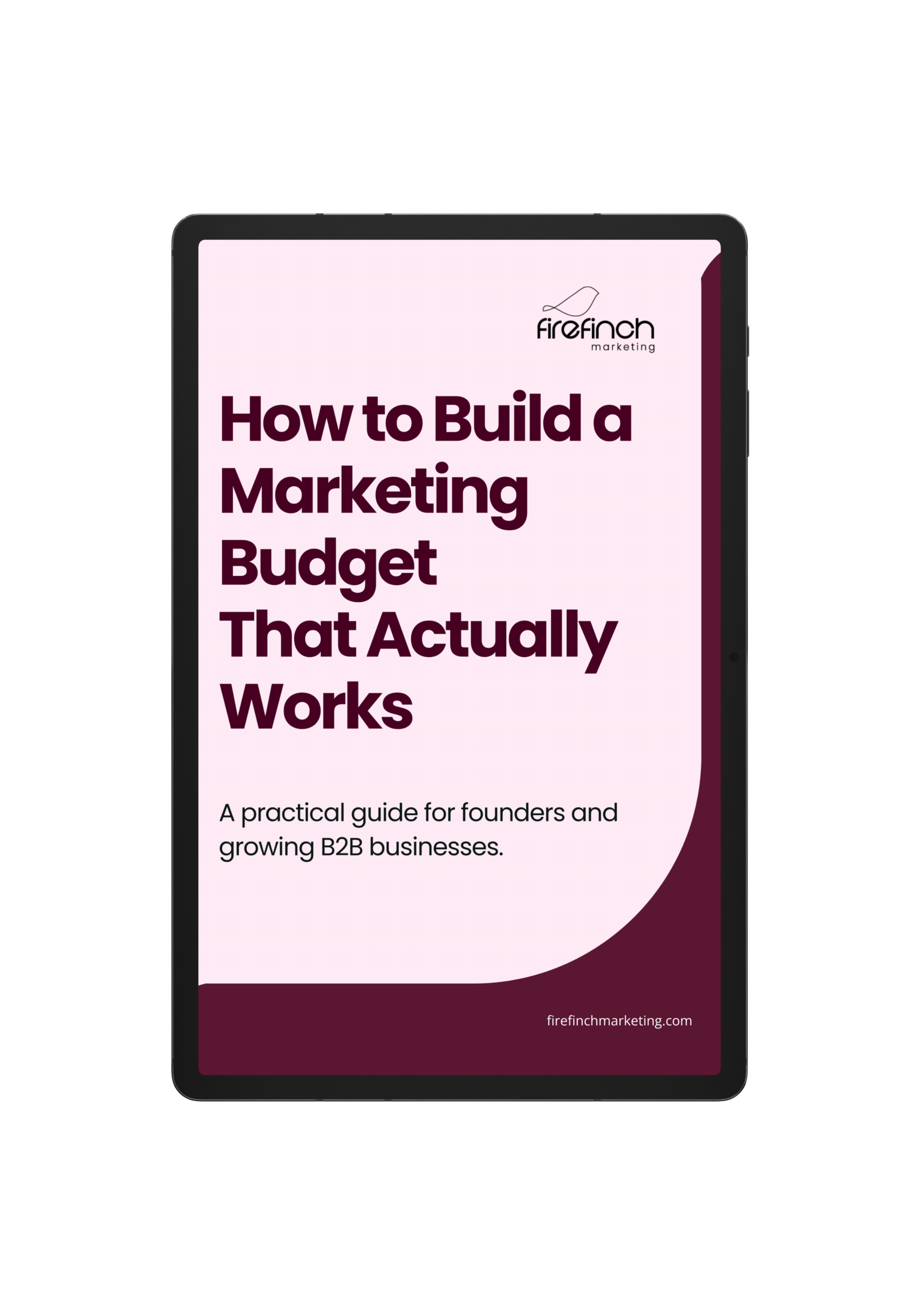
Everything you need to know about B2B marketing budget planning
It covers how to review last year honestly, how to build a two-layer budget structure that satisfies finance and preserves strategic flexibility, how to think in outcome buckets rather than channel buckets, and how to create a review rhythm that means your budget is a living system, not a filed document.
It is free. No form. No email required.
Download the full guide